I hear some version of the same question almost every week: "Is this just a pulled muscle, or is it something more?" Usually it starts small, reaching into the back seat for the groceries, and something sends a sharp zing from your lower back down the back of your leg. If that's happened to you, you're probably wondering what causes sciatica, and whether it's serious.
Here's the short answer: sciatica isn't its own condition. It's a symptom, and understanding what's behind it makes a real difference in how you treat it.
What Causes Sciatica?
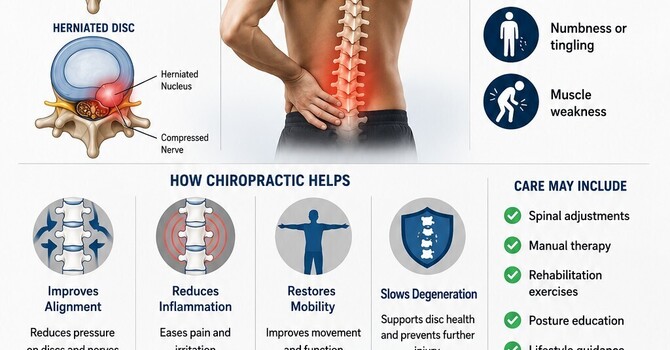
Sciatica happens when something irritates or compresses the sciatic nerve, the longest nerve in your body, running from your lower back down through each leg. A few things commonly cause that irritation:
- A bulging or herniated disc pressing on a nerve root
- Degenerative disc disease, where the discs between your vertebrae lose height and cushioning over time
- Osteoarthritis in the spine, which can narrow the space nerves pass through
- Muscle tightness, particularly in the piriformis muscle deep in the hip, which can mimic true sciatica
Most of the time, it's not one dramatic event. It's the cumulative wear of years, and a small movement, bending, twisting, reaching, just happens to be the moment you notice it.
Sciatica vs. Regular Back Pain: How to Tell the Difference
Regular back pain and sciatica can feel similar at first, but there are a few tells:
Regular back pain generally stays put. It's an ache or stiffness centered in your lower back, and it usually eases with rest, movement, or a change in position.
Sciatica travels. It radiates from your lower back or buttock down through the leg, sometimes past the knee and into the foot. It often comes with numbness, tingling, or a "pins and needles" feeling, and it can feel worse with sitting than standing.
If you're feeling pain, numbness, or weakness below your knee, that's usually your body telling you a nerve is involved, not just a muscle.
What Actually Helps
The good news is that most sciatica responds well to conservative care. A few things that genuinely make a difference:
Movement, not bed rest. Staying completely still tends to stiffen things up further. Gentle sciatica exercises and stretching, done consistently, often help more than lying flat.
Getting the right diagnosis. Sciatica, a herniated disc, and degenerative disc disease can all cause similar symptoms, but they don't all respond to the same care. That's why an exam matters more than guessing based on Google.
Chiropractic care. As a chiropractor working with sciatica and disc-related pain every week, I focus on improving the mobility of the spinal joints around the irritated nerve, not on "cracking" your back into place. When those joints move better, the surrounding muscles guard less, and a lot of patients feel that relief within their first few visits. You can read more about how I approach sciatica, disc pain, and back pain here.
For general background on nerve-related pain, the National Institute of Neurological Disorders and Stroke and the American Chiropractic Association both publish patient-friendly overviews worth a read if you want to go deeper.
When to See Someone
Most sciatica improves with conservative care over a few weeks. That said, get evaluated sooner rather than later if you notice worsening numbness, weakness in your leg or foot, or if the pain is disrupting your sleep and daily routine night after night. Waiting rarely makes it easier to treat.
The Bottom Line
Sciatica is common, especially as we get older, but "common" doesn't mean you have to accept it as permanent. Understanding what's actually causing your pain, whether it's a disc, arthritis, or muscle tightness, is the first step toward treating it instead of just managing it.
If you're in Richmond Hill and dealing with pain that radiates down your leg, numbness, or a back that's stopped cooperating, I'd be glad to take a look. Contact Palmer Chiropractic or book your evaluation directly to get started.